⭐ What Every Fencing-Parent Should know: What Is My Child’s Fencing Age? (and why it matters)
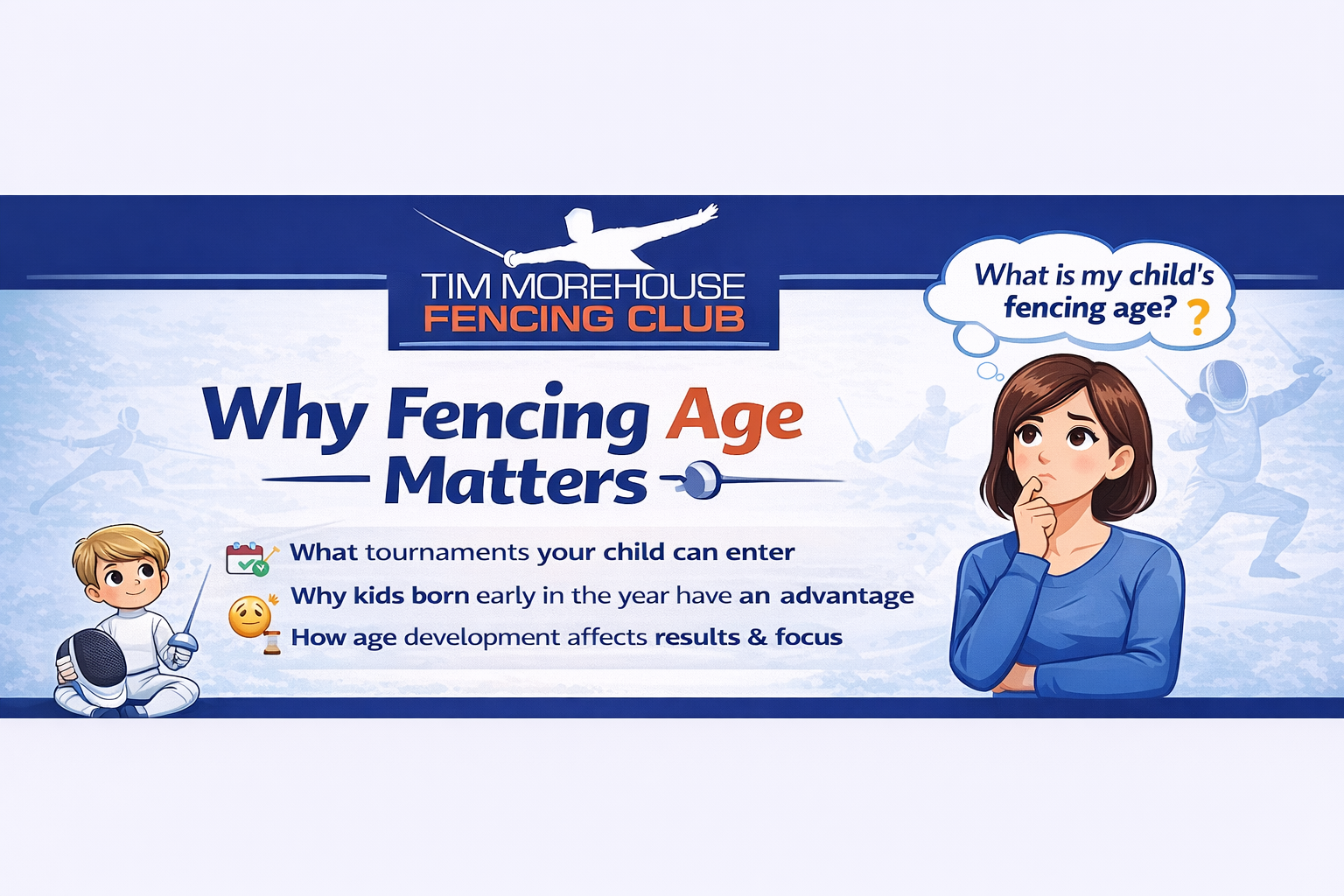
Fencing age plays a major role in your child’s development, confidence, and competition pathway. It affects which tournaments your child can enter, how results should be interpreted, and how families should think about progress over time—especially at younger ages.
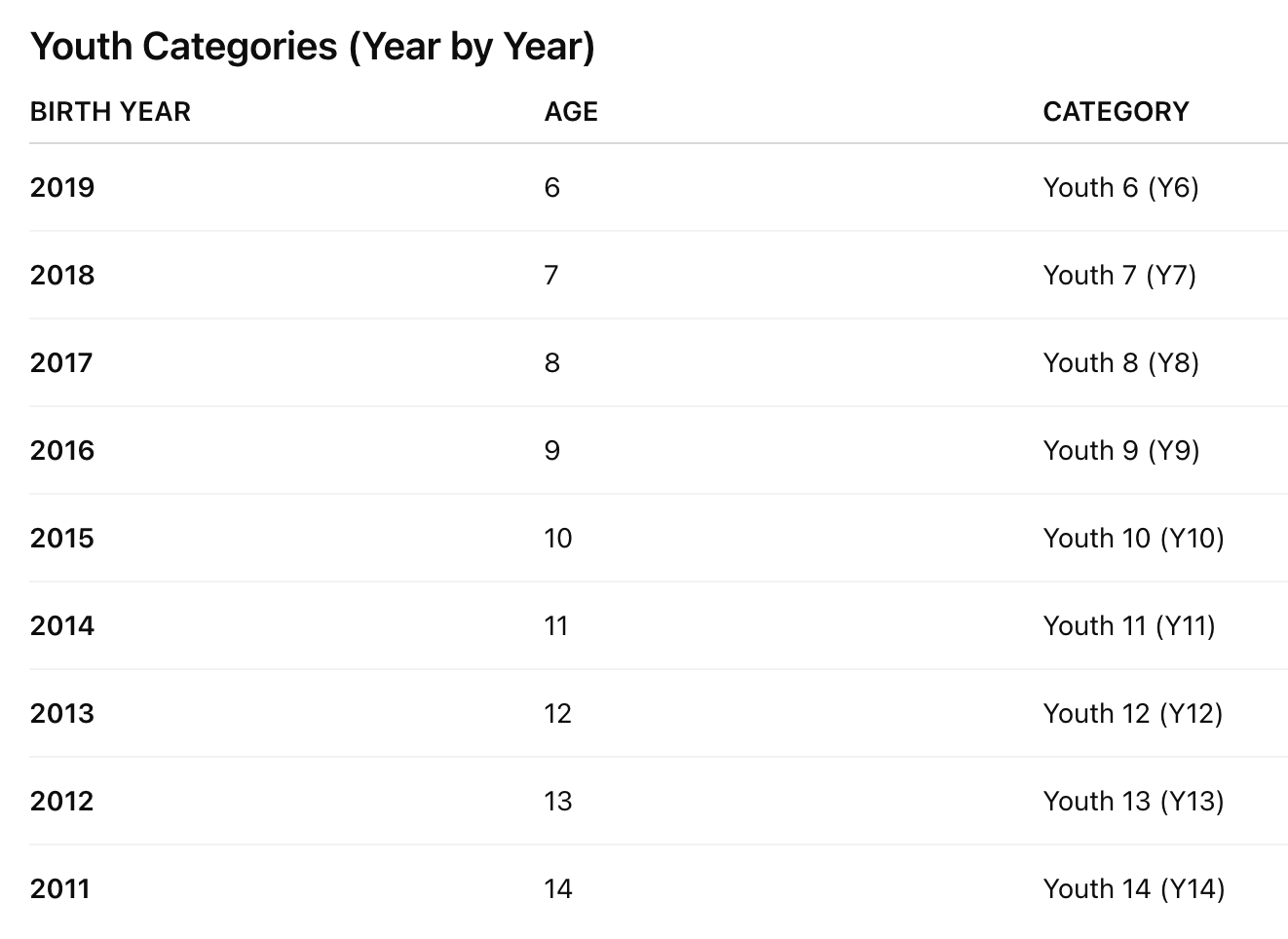
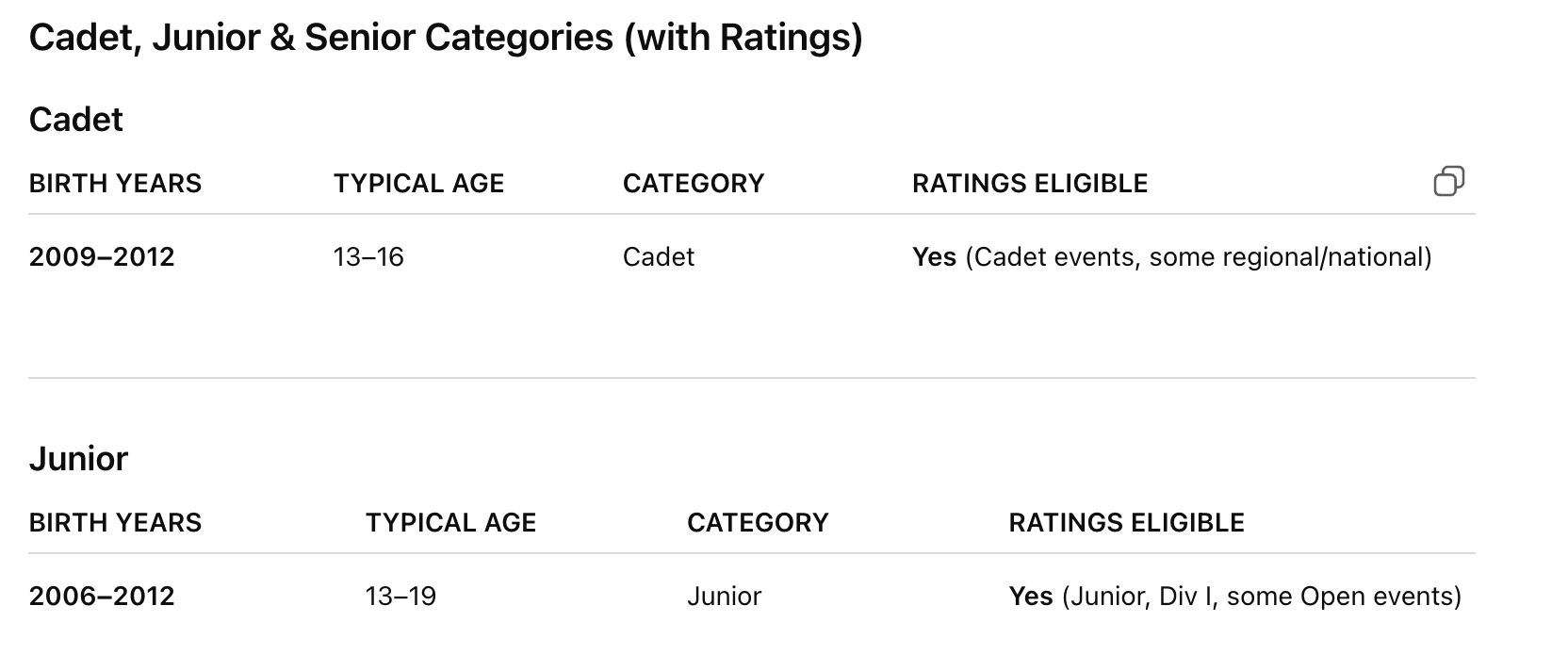
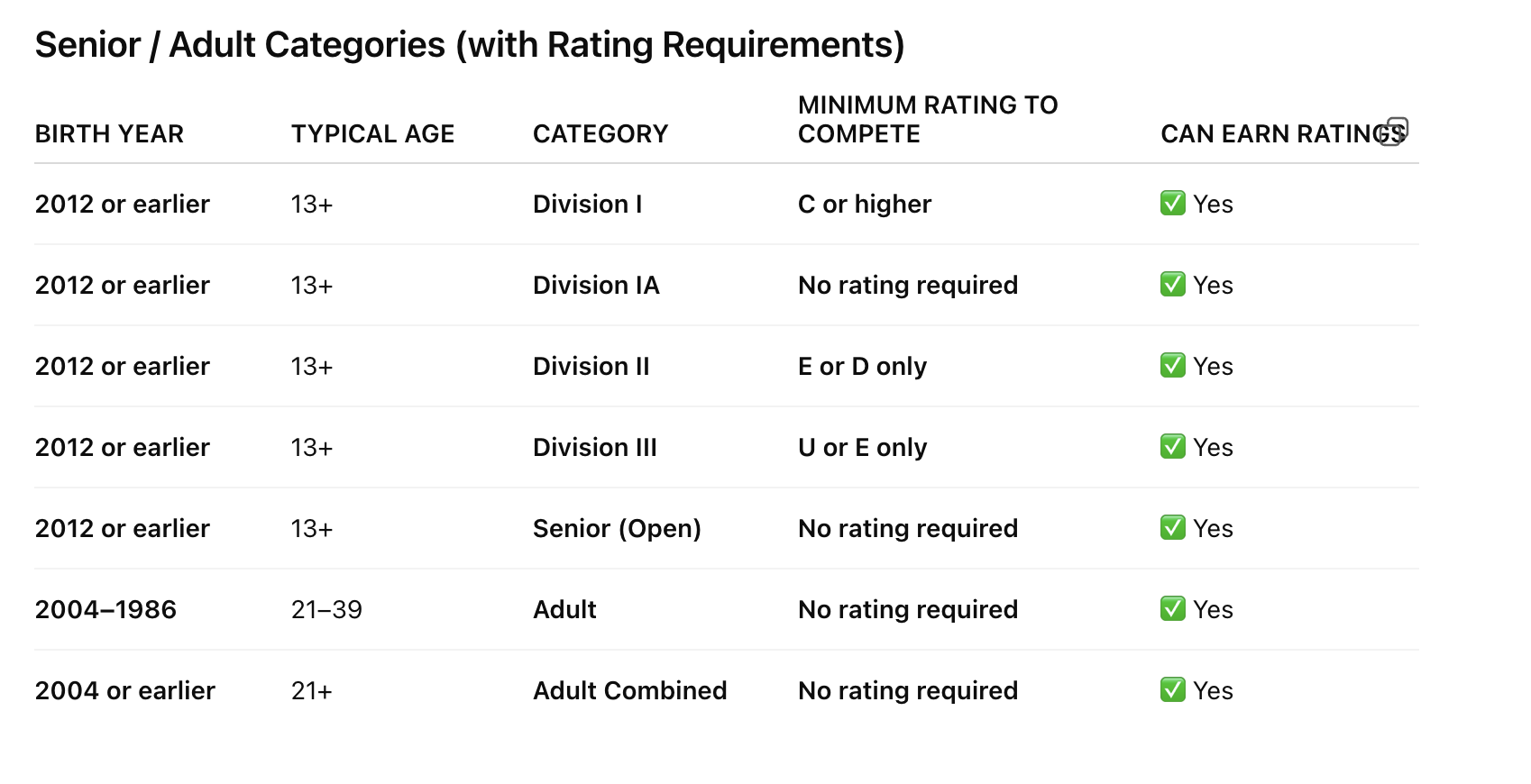
Fencing age is based on birth year, not birthday. This determines whether your child fences Youth, Cadet, Junior, or Senior events for the entire season.
🗓️ Why fencing age matters (more than you think)
1️⃣ It determines tournament eligibility
Your child’s fencing age controls:
Which age categories they are eligible to fence
Whether they can enter youth, cadet, junior, or senior events
Which tournaments you’ll see listed as options on AskFRED and the USA Fencing portal
Understanding fencing age helps families choose appropriate events and avoid frustration or mismatched expectations.
2️⃣ Small age gaps matter A LOT at young ages
For athletes ages 7–10, even a 2–3 month age difference can be meaningful developmentally.
These differences often show up in:
💪 Strength and coordination
⚡ Speed and reaction time
🧠 Emotional maturity and confidence
This is why results at young ages can be misleading if age and birth month aren’t considered.
3️⃣ Birth month advantages & disadvantages are real
Children born in January–February often have early advantages.
Children born in November–December are often the youngest in their age group and may appear behind—even when their fencing skill is strong.
We’ve seen athletes born in late December who, if born just days later, would have been top performers in the younger age category. Instead, they were fencing as the youngest, struggling with confidence—not ability.
👉 Important reminder: Don’t misread your child’s fencing quality. Early results often reflect age and maturity, not long-term potential. These differences typically even out by ages 15–16.
📈 Development is not linear—and not just about age
One of the biggest factors affecting fencing results is when a child hits puberty. This varies widely and is not strictly tied to age.
Early physical development can create temporary advantages. Later development can make strong fencers appear behind for a time. This is why:
Results alone are not always the best measure of progress
Planning competition around your child’s developmental stage is critical
At the same time, feeling successful matters 🌟. Confidence and enjoyment are essential for long-term growth.
🌱 The Grow & Glow Years (How development often looks)
Fencing development commonly follows a pattern:
Age 9 → GROW (learning, adjusting, building skills)
Age 10 → GLOW (confidence, coordination, results improve)
Age 11 → GROW
Age 12 → GLOW
(If a child starts fencing at 12, this may still be a “Grow” year.)
⚠️ Age 13: The hardest—and most important—year
Age 13 is often the most challenging year in fencing:
Physical and emotional changes accelerate
Expectations increase
Athletes suddenly have more options: Youth-14, Cadet, and even Junior events
This is the year many athletes decide whether to:
Commit and specialize
Or step away from the sport
With patience, support, and smart planning, athletes who get through age 13 often go on to high school success, college fencing, and beyond.
🎯 The Big Picture
Fencing is a long-term sport. Understanding fencing age—and its impact—helps families:
Choose the right tournaments
Set realistic expectations
Protect confidence during uneven growth periods
Focus on development, not just short-term results
🔍 Review the Fencing Age Chart Below
Use the chart below to understand your child’s fencing age, tournament eligibility, and how age and birth year factor into development and competition decisions.
If you ever have questions about what events to enter or how to interpret results, ask your coaches—we’re here to help guide the process 🤝.
The chart below is current for the 2025-2026 fencing season.